

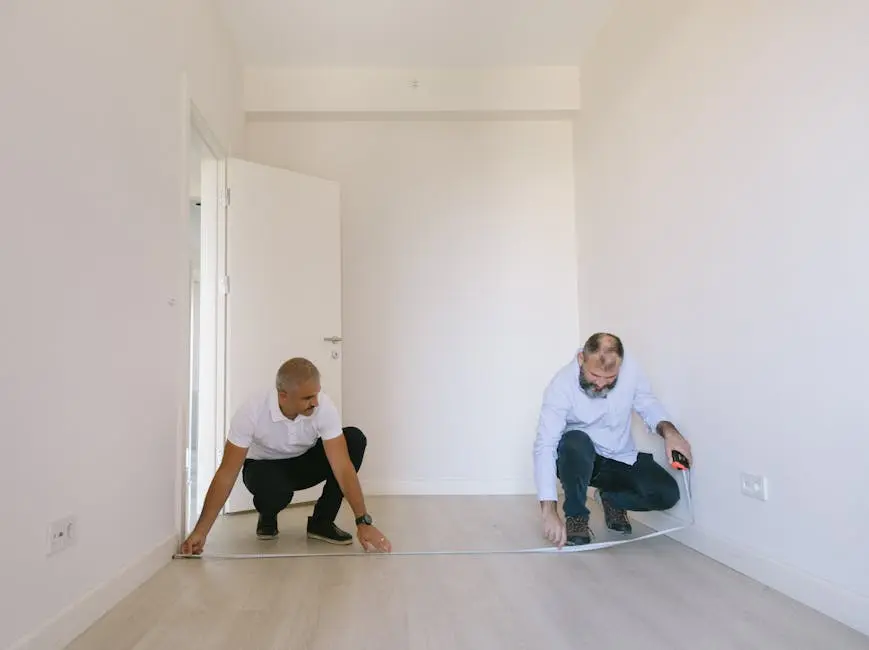
Creating a safe and secure home is paramount for any homeowner. But with so many aspects to consider, where do you start? Leveraging the expertise of a certified home inspector can make all the difference in ensuring your home is both comfortable and safe. Today, let’s explore how their insights can guide you to a safer living environment.
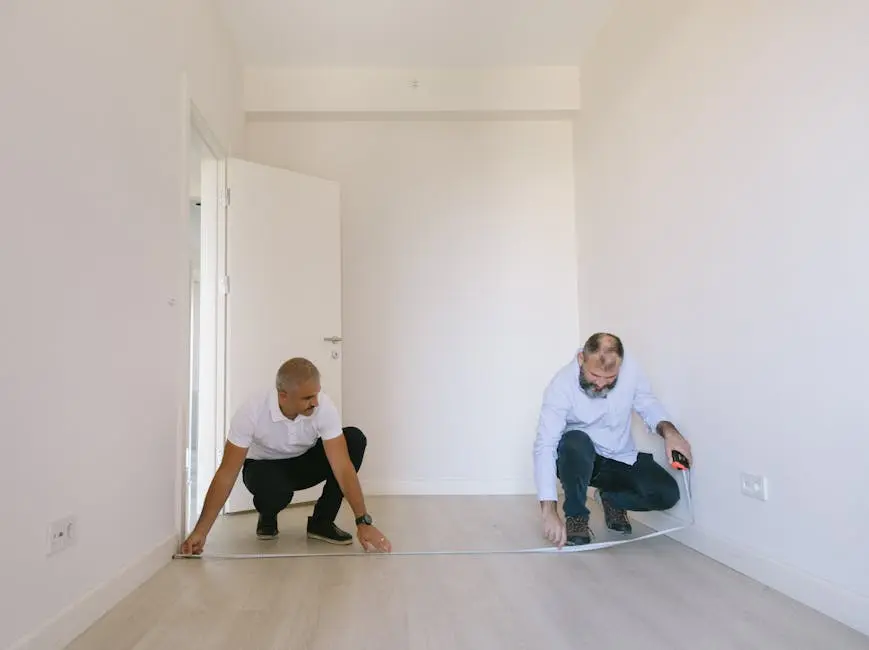
The Role of a Certified Home Inspector
Certified home inspectors play a crucial role in assessing the safety and integrity of a house. They evaluate everything from the foundation to the roof and everything in between, identifying potential hazards that could pose risks to your family.
A certified home inspector essentially acts as your home’s health expert. They delve into the unseen and often overlooked aspects of a property, such as hidden leaks, defective smoke alarms, or inadequate ventilation. With their specialized training, they can reveal issues that might seem minor now but could develop into significant problems down the line.
Key Areas Checked During a Home Inspection
During an inspection, certified professionals typically focus on several critical areas. This includes checking the structural components, electrical systems, plumbing, and much more. Understanding these areas helps homeowners prioritize repairs and upgrades.
Among other things, inspectors pay close attention to the condition of the roof, which protects the home from the elements. They evaluate the shingles, gutters, and flashing to ensure they’re in good condition. Another focal point is the home’s HVAC system, which is crucial for maintaining comfort and efficiency. By assessing these systems, inspectors help identify necessary maintenance to keep everything running smoothly.
Additionally, the foundation and basement are scrutinized for signs of water intrusion or structural issues. Leaks or cracks here can indicate serious problems that could affect the home’s stability. Furthermore, by examining doors and windows for proper sealing and operation, inspectors help identify energy inefficiencies that might increase utility bills.
Common Safety Hazards Identified
Inspectors often uncover safety hazards such as faulty wiring, mold, or structural weaknesses. Recognizing these common issues can help you address them before they escalate into major problems.
Electrical issues are a common discovery during inspections. Frayed wires or improper grounding can lead to electric shocks or even fires if left unaddressed. Mold is another frequent find, often lurking in damp basements or around leaky plumbing. Its presence not only degrades the home’s structure but also poses significant health risks to the inhabitants.
Benefits of Regular Home Inspections
Regular home inspections are essential for maintaining your home over time. They not only help in identifying emerging problems but also offer peace of mind by ensuring that your home remains a safe haven for your family.
Think of regular inspections as preventative healthcare for your home. They provide an opportunity to catch minor issues before they become costly repairs. For instance, spotting a small roof leak early can save thousands in future damage to the roof structure and interior.
How to Choose a Certified Home Inspector
When selecting a home inspector, look for certifications and reviews that speak to their expertise. A qualified inspector should have a thorough understanding of building codes and safety regulations, ensuring an accurate and comprehensive assessment.
It’s wise to start your search by asking for recommendations from friends or family members who have recently purchased homes. Online reviews can also be a valuable resource, offering insights into the experiences other clients have had. Don’t hesitate to ask prospective inspectors about their experience levels or for examples of detailed reports they’ve produced in past inspections.
Wrapping Up: The Value of a Certified Home Inspector
Reaching out to a certified home inspector can be one of the best decisions you make as a homeowner. With their keen eye for detail and thorough understanding of safety standards, they offer invaluable guidance. By addressing potential hazards and suggesting improvements, they ensure that your home remains a sanctuary for years to come.