
Buying a home is one of the most significant investments you’ll ever make. In the picturesque Hudson Valley, the charm of historic homes and breathtaking landscapes can sometimes overshadow potential issues that lie within the walls. That’s why home inspections are a crucial step in the home-buying process. In this blog, we’ll explore why Hudson Valley home inspections matter and how they protect your investment.
Understanding the Unique Challenges of Hudson Valley Homes
Hudson Valley homes often boast unique architecture and historic significance. However, they can also have specific structural challenges. Understanding these issues can help you appreciate the importance of a thorough home inspection before making a purchase.
One of the most captivating aspects of the Hudson Valley is its blend of old and new properties. While modern constructions generally adhere to current building codes, historical homes offer character and history that newer homes lack. However, these older structures may come with hidden problems like outdated wiring, old pipes, or even foundational issues. A home inspection is your first line of defense against these potential money pits.
Key Areas Inspected in a Hudson Valley Home
A comprehensive home inspection covers essential areas like the foundation, roof, plumbing, and electrical systems. In the Hudson Valley, inspectors may pay extra attention to issues like water drainage and the presence of radon, given the region’s unique geology.
The foundation is often one of the first areas inspected due to its importance in maintaining the integrity of the entire structure. Inspectors look for cracks, moisture accumulation, and evidence of past repairs. Similarly, roofs are given a thorough check to ensure they can withstand the diverse Hudson Valley weather. From harsh winters to humid summers, the strain on these structures can compromise their longevity without proper maintenance.
Another special consideration for Hudson Valley homes is the landscape’s natural beauty. While beautiful, the local flora and fauna can pose unique risks. Overhanging trees might lead to potential roof damage, and the surrounding soil may affect water drainage systems. These aspects are crucial focus points during an inspection to secure the home’s safety and durability.
How Home Inspections Protect Your Investment
Home inspections provide insight into potential problems that could become costly repairs. By identifying issues early, you can negotiate repairs with the seller or decide if the home is worth the investment, ultimately saving you money down the road.
Imagine you’re ready to buy your dream home, only to find out post-purchase that it has significant issues like faulty wiring or a failing septic system. A simple home inspection could prevent such costly surprises by giving you a clear picture of what you’re purchasing.
Moreover, inspections aren’t just about finding problems; they’re about planning for the future. Knowing the lifespan of major systems like heating, ventilation, and air conditioning (HVAC), the likelihood of needing a roof replacement, or plumbing system upgrades can better equip you to plan financially in the long term. This financial foresight provides an edge in budgeting and maintaining the home, safeguarding your investment even further.
What to Expect During the Inspection Process
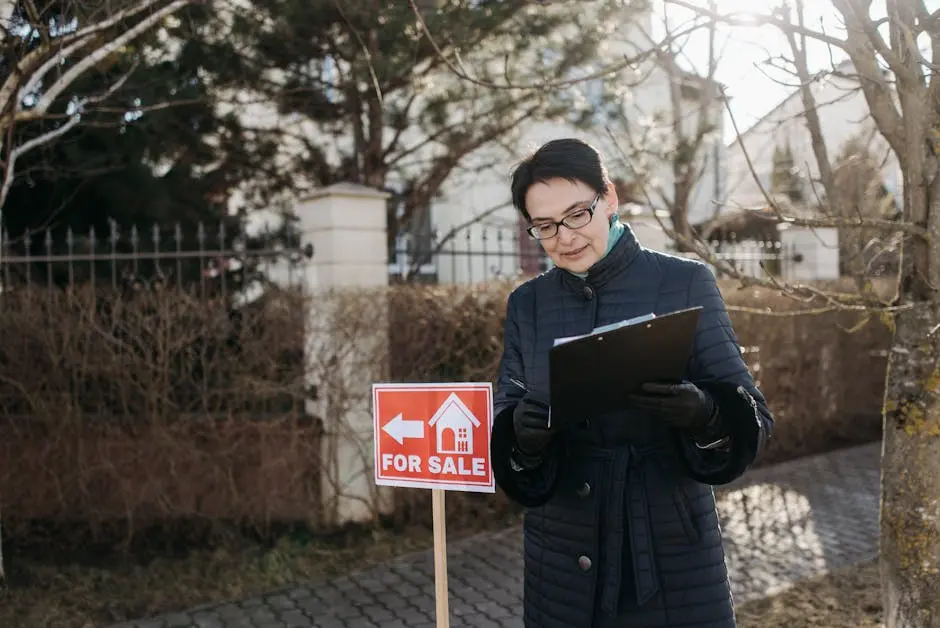
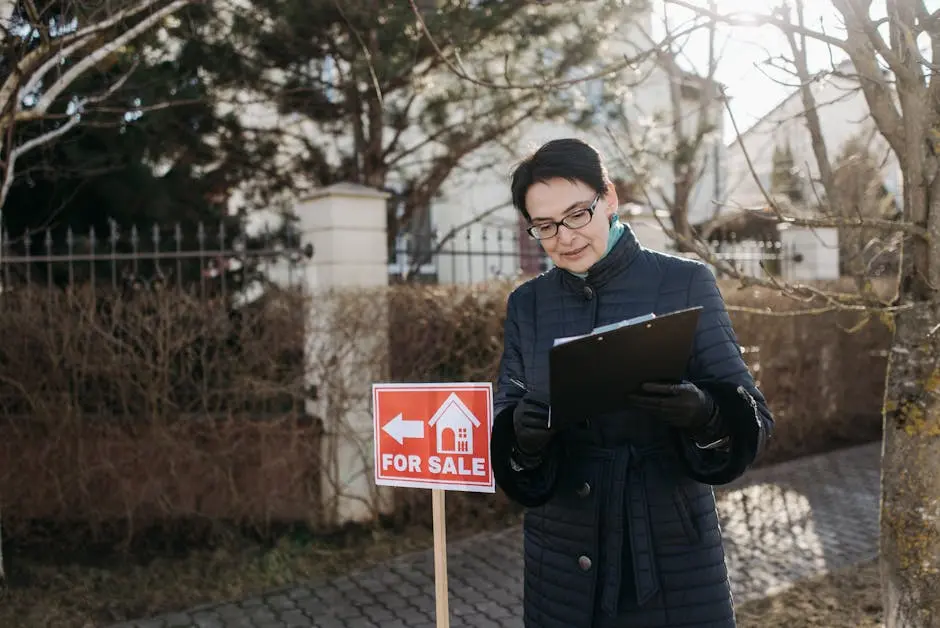
During the inspection, a qualified inspector will evaluate various aspects of the home. This process can last several hours, depending on the property’s size and condition. It’s helpful for buyers to attend the inspection to ask questions and gain firsthand insight into the home’s state.
The home inspection process can be quite an eye-opener. As you shadow the inspector, you might be surprised by what you learn about the structure and systems of a home. While it’s not mandatory to attend, being there provides a unique opportunity to see potential issues up close and ask detailed questions about necessary repairs or future maintenance tasks.
Expect inspectors to bring tools like moisture meters, electrical testers, and infrared cameras, which help in identifying hidden problems. For instance, moisture meters can detect water seepage in the basement or attic, while electrical testers ensure the wiring is up-to-date and safe. Each tool provides insights that might not be visible to the untrained eye, emphasizing the importance of a professional evaluation.
Choosing the Right Home Inspector for Your Needs
Selecting the right inspector is crucial. Look for a certified professional with experience in inspecting Hudson Valley homes. A local expert will be familiar with the specific challenges and can provide you with a detailed and accurate report.
Experience and credentials are critical when choosing a home inspector. Look for certifications from reputable organizations and check if they have a solid background in handling homes specifically in the Hudson Valley area. Their familiarity with local building codes and common issues found in regional homes can offer you a more comprehensive understanding of your potential purchase.
The Importance of Seeing Beyond the Charm
Home inspections in the Hudson Valley are more than just a formality; they are a critical part of ensuring your investment is safe and sound. By uncovering potential issues early, you can avoid costly repairs and make an informed decision about your purchase. So, before you fall for the charm of a home, make sure you see it for what it truly is—a sound investment.