
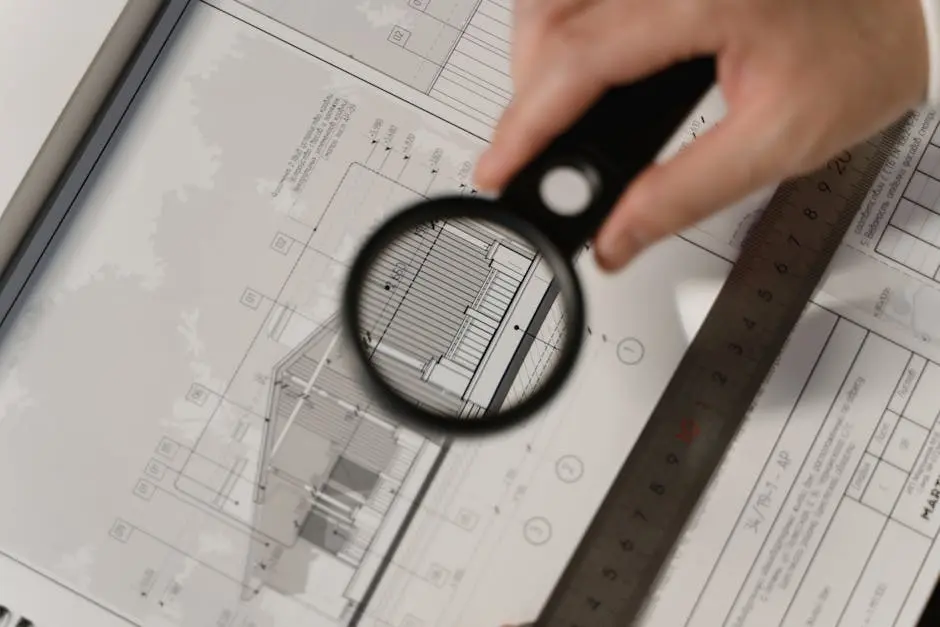
In the picturesque region of Hudson Valley, homes are a blend of beauty and history. However, when it comes to buying property here, it’s crucial not to get distracted by the charm and overlook potential issues hidden beneath the surface. Property inspections are a vital step to ensure you make a sound investment. This blog uncovers the significance of inspections and the potential pitfalls they can help you avoid.
The Role of Property Inspections
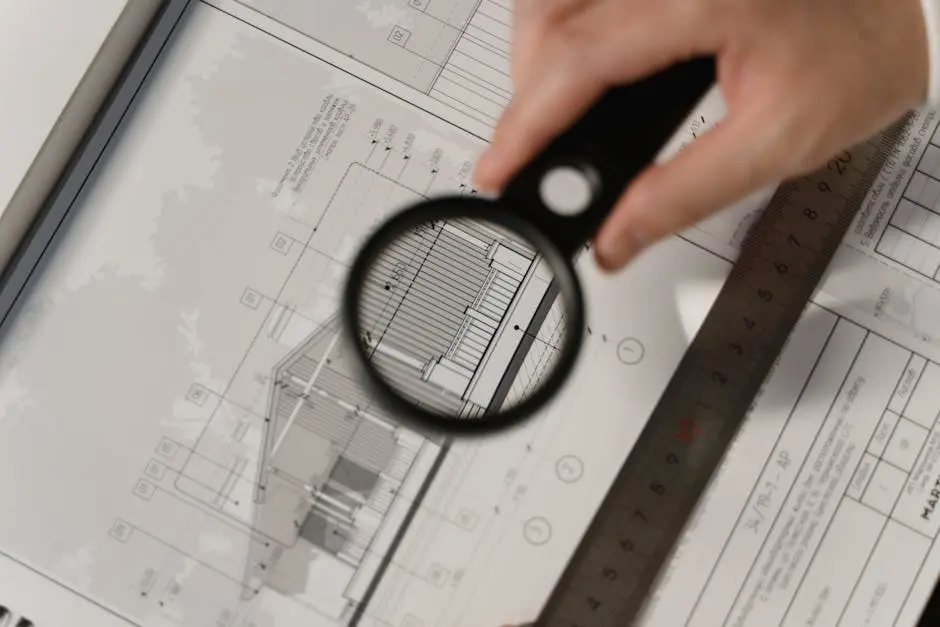
Property inspections serve as a critical evaluation of a home’s condition. Inspectors assess various elements, including structural integrity, electrical systems, plumbing, and more. Understanding the role of these inspections helps buyers appreciate their significance.
A property inspection is akin to giving a home a comprehensive health check-up. It involves a methodical examination of both visible and underlying components of a house. From scrutinizing the foundation for any cracks to checking the functionality of the HVAC systems, every aspect is carefully evaluated. It is through this meticulous process that inspectors can identify issues that may not be apparent at first glance but could lead to significant problems down the line. By uncovering these issues early, inspections not only aid buyers in making informed decisions but also serve as a tool for negotiation. Savvy buyers can use the inspection report to request repairs or even negotiate a better price.
Interestingly, not all property inspections are created equal. Some focus on specific aspects such as environmental hazards, while others may assess historical restorations unique to older Hudson Valley homes. Choose an inspection that suits your specific needs. Whether it’s a general inspection or a specialized focus, knowing the different types of inspections ensures you receive a comprehensive evaluation, addressing all facets of a property that could influence its value. By understanding the scope and limitations of the inspection process, potential buyers learn to anticipate challenges and strategize appropriately, thus avoiding any unpleasant surprises after purchase.
Common Hidden Issues in Hudson Valley Homes
Hudson Valley homes, whether new builds or historic properties, can harbor hidden issues like mold, faulty wiring, or roof damage. Recognizing these common problems can prepare buyers for what to look out for.
Mold is one of the most insidious yet common issues found in homes across Hudson Valley. Often hidden behind walls or lurking in damp basements, mold can pose serious health risks if not addressed promptly. Additionally, faulty electrical wiring is another frequent issue, especially in older properties. Such problems are not always evident during a casual walkthrough but could result in safety hazards later. Alongside these, roof damage, often caused by the region’s diverse weather conditions, can lead to leaks and further structural damage. By being aware of these prevalent problems, buyers can enter the home buying process with their eyes wide open, ready to tackle any issues head-on.
Moreover, homes in Hudson Valley can sometimes face issues stemming from renovation work that doesn’t meet current housing codes. For instance, improper plumbing can lead to water leaks, which might cause severe damage if left unchecked. Equally, inadequate insulation or outdated heating systems can result in higher energy bills, compromising the home’s efficiency. The risks are manifold, but so are the solutions. An informed buyer, equipped with insights from a thorough inspection report, can make the necessary adjustments for a safer, more reliable investment.
Choosing the Right Home Inspector
Selecting a qualified and experienced inspector is paramount. Knowing the qualifications and characteristics to seek in an inspector can make all the difference in the inspection process.
Choosing the right home inspector involves more than just finding someone available; it’s about finding someone trustworthy and detail-oriented. Start by examining the inspector’s credentials. Professionals with certifications from esteemed associations, like the American Society of Home Inspectors, typically adhere to higher standards of practice. Furthermore, experience counts. An inspector familiar with Hudson Valley homes will likely have insights into region-specific issues—things that an out-of-towner might miss. Recommendations from friends or real estate agents can also provide valuable leads, but always conduct your due diligence to ensure you hire someone who will thoroughly scrutinize every inch of your prospective home.
When interviewing potential inspectors, don’t hesitate to ask questions. Inquire about their process, tools, and even a sample report. A qualified inspector will be transparent about their approach and keen to provide previous examples of their work. They should also be available to walk you through their findings post-inspection, helping you interpret complex details and understand their implications. This dialogue provides peace of mind that you have chosen someone who is committed to ensuring your potential home is both safe and sound.
The Inspection Process: What to Expect
Understanding the step-by-step process of a property inspection helps buyers prepare for what lies ahead. This section breaks down each phase to demystify the experience.
The inspection process typically begins with a visual assessment of the property’s exterior. Inspectors check the roof, foundation, and external walls for any signs of wear and tear or structural concerns. Once inside, inspectors move room by room, meticulously checking systems and appliances. The inspection also encompasses the attic and basement, where issues like insulation quality or potential pest infestations may exist. Throughout this process, inspectors take detailed notes and photos, which will later form the basis of the inspection report.
The inspection duration can vary depending on the property’s size. Typically, it takes a few hours, during which potential buyers are encouraged to be present. This presence allows buyers to ask questions in real-time, gaining firsthand insights into potential issues or noteworthy features. After the physical assessment, the inspector spends additional time compiling their findings into a report. This document is comprehensive, highlighting both immediate concerns and areas that might require maintenance in the future. Armed with this knowledge, buyers can proceed confidently, whether negotiating repairs or planning future upgrades.
Interpreting the Inspection Report
Once the inspection is complete, deciphering the report can be daunting. Learn how to interpret findings, prioritize issues, and take actionable steps post-inspection.
Inspection reports can seem overwhelming at first glance, filled with terminology and details that may be new to the untrained eye. However, an effective report is usually structured clearly, categorizing issues by their severity. Immediate safety hazards take precedence, requiring urgent attention, while other concerns might be noted as needing maintenance for long-term upkeep. This hierarchy helps buyers prioritize their responses effectively, ensuring that pressing issues are addressed first. Understanding the language and flow of the report transforms it from a daunting document into a strategic tool for property management, helping prospective homeowners protect their investment wisely.
In addition to prioritizing repairs, inspection reports can serve as a roadmap for future property improvements. By identifying areas that could benefit from upgrades or improved maintenance, buyers can better plan their homeownership journey and avoid unexpected costs down the line. If any part of the report is unclear, don’t hesitate to consult with the inspector for clarity. Their expertise is invaluable, and most are happy to explain their findings more in-depth. Ultimately, the report is an opportunity for buyers to become not only more informed but also more proactive homeowners.
Ensuring Peace of Mind through Thorough Inspections
Hudson Valley property inspections are more than just a formality; they are an essential part of the home buying process. By conducting thorough inspections, potential homeowners can uncover hidden issues that might otherwise lead to costly repairs and unwanted surprises. With the guidance of experienced inspectors, buyers can make informed decisions, ensuring their dream home remains a dream, not a nightmare.