

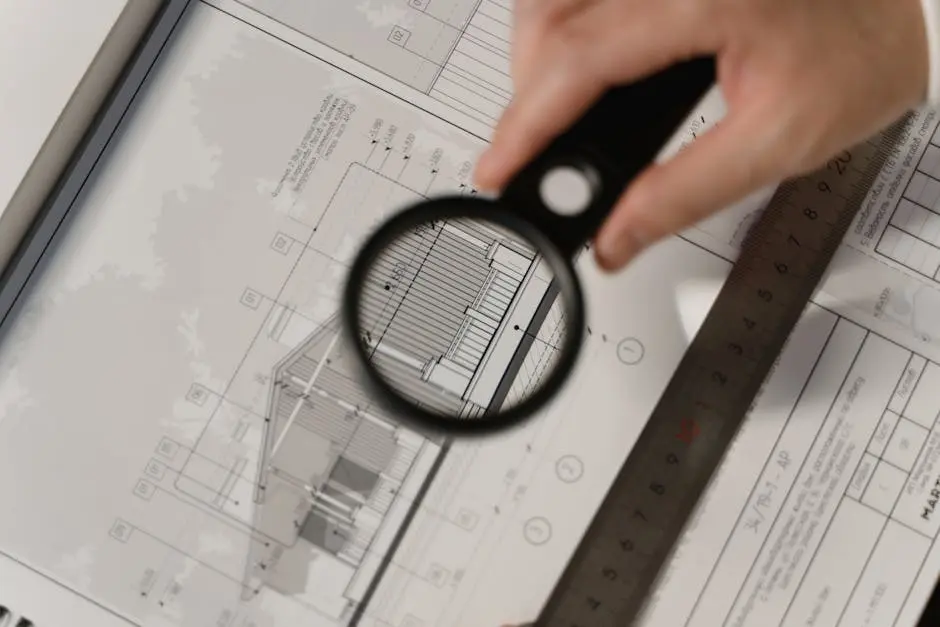
Buying a home is a significant milestone in anyone’s life. It’s a journey filled with excitement, anticipation, and sometimes, a bit of anxiety. Among the essential steps in this process is the building inspection. Understanding its importance can save you from potential headaches down the road. In this article, we’ll explore why building inspections are a crucial part of home buying and how they contribute to making informed decisions.
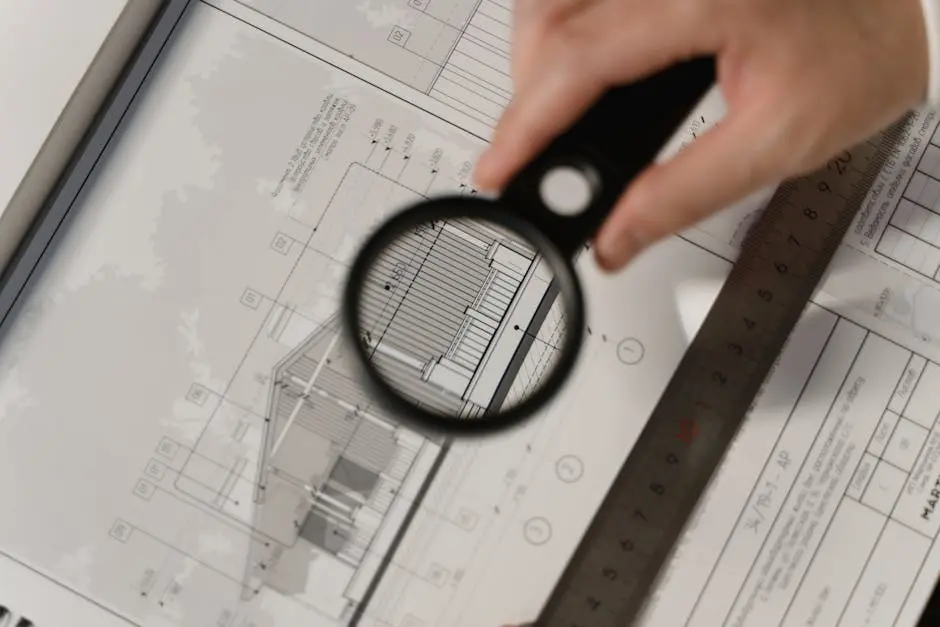
What is a Building Inspection?
A building inspection is a thorough examination of a property’s condition, conducted by a qualified professional. It’s designed to identify any potential issues with the structure, systems, and components of the home, providing you with detailed insights into the property’s health.
Most people think of building inspections purely as a formality; however, they are much more than that. Beyond merely identifying visible issues, inspections can uncover hidden risks that might escape the untrained eye. A seasoned inspector examines integral elements like insulation quality and checks for signs of water damage that could indicate larger underlying problems. With these insights, you can approach decisions about your potential new home with more confidence, free from the burden of nasty surprises.
The Role of Building Inspections in Home Buying
Building inspections play a critical role in the home buying process. They help you make informed decisions, ensuring that you are aware of any potential problems or costly repairs that might need attention. This proactive approach helps in negotiating better terms or even reconsidering your purchase altogether.
Imagine investing your savings into a new home, only to find out later about a serious foundation issue. Inspectors help prevent these scenarios by providing detailed evaluations of the house’s critical systems. From assessing the stability of the foundation to the integrity of electrical wiring, inspections guide buyers in making their choices. This foresight becomes particularly invaluable in competitive markets where decisions must be made swiftly to secure a desired property.
Moreover, after knowing the potential issues of a house, buyers can confidently negotiate repairs or price adjustments with the seller. With a knowledgeable inspector providing a detailed report, the chances of avoiding homes with irreparable issues significantly increases. Beyond simply aiding in negotiations, these inspections empower you with knowledge to plan required improvements post-purchase, aligning them with your future vision for the home.
What Inspectors Look For
Inspectors examine a range of areas including the foundation, roof, electrical systems, plumbing, and more. They look for signs of damage, decay, and potential safety hazards, providing a comprehensive report that outlines their findings.
A diligent inspector will start by evaluating the foundation, looking for foundational cracks or shifts that might hint at structural instability. From there, they move to the roof, examining shingles for wear and checking gutters for proper drainage. Inside the house, the focus shifts to plumbing systems, checking for leaks or pressure issues that could lead to water damage over time. Electrical systems are scrutinized to ensure they meet safety standards, avoiding potential fire hazards. These checks collectively offer a holistic view of the home, enabling potential buyers to weigh pros and cons comprehensively.
Recognizing Common Issues in Inspections
Common issues found in inspections range from minor repairs, like leaky faucets, to major concerns like foundational cracks or roof damage. Recognizing these problems early can prevent future complications and expenses.
Beyond foundational issues and roof integrity, inspections frequently highlight inadequate ventilation, which can result in mold growth or moisture issues. Inspectors might note uneven flooring that suggests structural deterioration or pinpoint areas where insulation is insufficient. These early indicators of potential problems make it easier for buyers to decide whether they are willing to invest time and resources into necessary repairs. In many cases, fixing these problems may not only save money but increase the property’s value in the long run.
How to Choose a Qualified Inspector
Choosing a qualified inspector is essential for a reliable assessment. Look for professionals with solid credentials, positive reviews, and substantial experience in the field to ensure you receive an accurate evaluation.
A high-quality inspector has certifications from reputable organizations, demonstrating their commitment to ongoing education and compliance with industry standards. You should also seek recommendations from real estate professionals or past clients who can attest to their thoroughness and professionalism. Reviewing online feedback can also offer insights into their reliability and expertise. Remember, the right inspector is not just someone who scans the property but someone who does so with painstaking attention to detail, leaving no stone unturned.
Making the Most of Your Inspection Report
Once you have your inspection report, use it to negotiate repairs or adjustments to the purchase agreement. It’s a powerful tool that can help you get the best value from your investment.
Approaching the inspection report as an opportunity rather than a nuisance can transform the way you proceed with your purchase. Use the report to identify parts of the home where value can be added through renovations or upgrades. Turn potential negatives into future positives by negotiating a reduced purchase price that leaves room in your budget for modifications tailored to your lifestyle. In the end, this proactive stance not only positively influences the transaction but aligns the property more closely with your personal and financial goals.
The Guiding Light of Building Inspections
In the journey to home ownership, building inspections serve as your guiding light, illuminating the path to a wise investment. They help you avoid costly surprises and provide peace of mind knowing that your home is a sound investment. By understanding their importance, you become a more informed buyer, ready to navigate the ups and downs of the real estate market with confidence. To take the next step in ensuring your future home is a safe investment, visit our homepage for expert advice.