

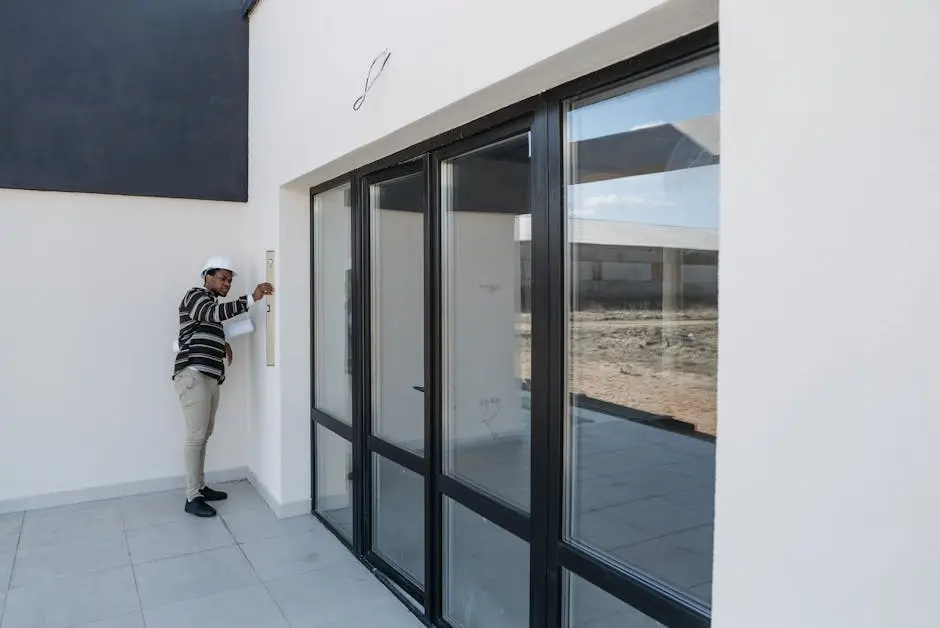
Owning a home is a cherished dream for many, but with it comes the significant responsibility of ensuring its safety and longevity. One crucial aspect often overlooked by homeowners is the structural integrity of the building. In this blog, we’ll explore why structural inspections are vital for maintaining a safe and secure home environment.
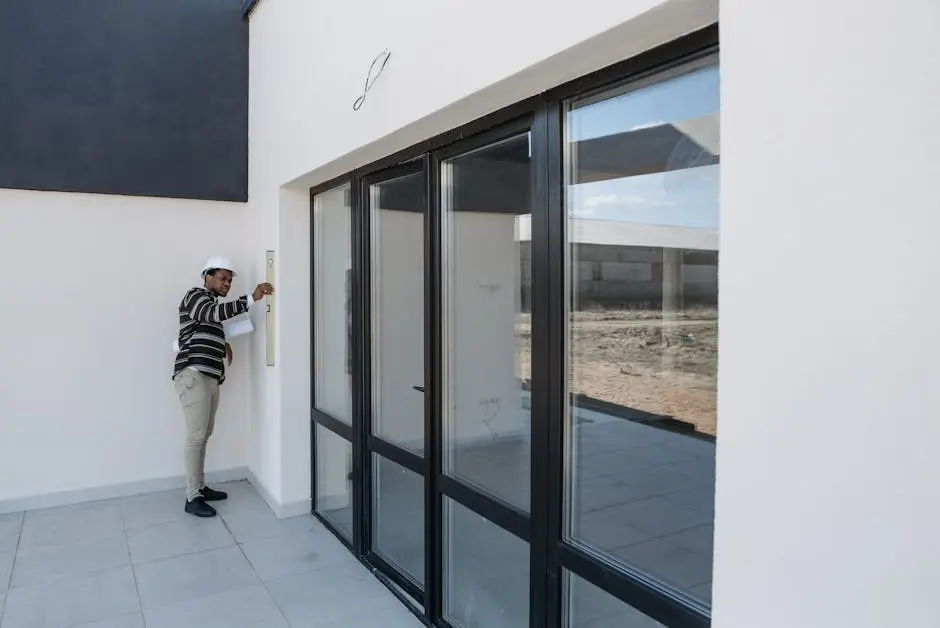
What is a Structural Inspection?
A structural inspection is a comprehensive assessment performed by a qualified inspector to evaluate the condition of a building’s structure. It focuses on identifying any potential issues that might affect the stability and safety of a building. This type of inspection is especially crucial when purchasing a new home or if your property is old or has been through severe weather conditions. Such inspections can reveal critical information about the house’s ability to withstand wear and tear. Moreover, understanding what areas and components are assessed during this process can empower homeowners to recognize and mitigate potential hazards.
The primary objective of a structural inspection is to ensure that your home can offer safety and comfort. Inspectors conduct a detailed examination that encompasses every vital component—ranging from foundational elements to more obvious structural features like walls and roofing. By performing this in-depth evaluation, inspectors can uncover hidden problems that aren’t immediately visible to the untrained eye, such as internal damage within walls or issues with support beams. As you might imagine, there’s a lot that goes into this process, making it a necessity for conscientious homeowners.
Key Areas Examined During an Inspection
During a structural inspection, several critical areas are examined, including the foundation, walls, roof, and support beams. Inspectors look for signs of wear, damage, or defects that could compromise the structure’s integrity. Each of these components plays a unique role in maintaining the overall strength of the house. For instance, the foundation forms the base of your home, supporting its weight and keeping it level. Any shift or crack here can jeopardize the entire building. Similarly, walls need to maintain their sturdiness to bear vertical loads, while the roof protects against external elements.
Beyond the more obvious elements, inspections also delve into subtler areas of concern. For example, inspectors often evaluate the drainage near your foundation to prevent water accumulation, which can lead to significant structural issues over time. They might also check for signs of mold or moisture infiltration in attics and basements, which could indicate hidden leaks or poor ventilation—both of which can silently compromise the home’s integrity. Trusting that your inspector has meticulously reviewed these aspects is essential in maintaining a safe living environment.
Common Issues Found in Structural Inspections
Some common issues that are often discovered during structural inspections include foundation cracks, water damage, termite infestations, and roof deterioration. Identifying these problems early can prevent more serious damage and costly repairs. For example, foundation cracks may appear insignificant initially but can expand over time, leading to potentially severe problems that could impact the home’s stability. Likewise, water damage, often caused by faulty plumbing, roofing issues, or poor drainage, can lead to mold growth, decay, and in serious cases, structural breakdown.
Termite infestations pose another serious threat to any structure. These pests silently but voraciously consume wooden components, undermining the strength and support of the home. Termites can be particularly insidious because they often go unnoticed until they’ve caused significant damage. Regular structural inspections enable homeowners to catch these and other problems before they escalate, providing peace of mind and safeguarding one’s investment against preventable degradation.
How Regular Inspections Enhance Home Safety
Regular inspections can significantly enhance home safety by identifying potential risks before they become severe issues. This proactive approach helps keep your home safe and saves money in the long run by avoiding emergency repairs. For instance, catching a minor issue with your roof early can prevent bigger problems such as leaks or structural sagging, especially during adverse weather conditions like storms. Furthermore, regular inspections increase the lifespan of your home by ensuring each component remains in optimal condition, thus preserving its value and the safety of its occupants.
Conducting regular inspections includes the added benefit of keeping you, the homeowner, informed about the state of your property. Understanding the condition of stairs, balconies, and other frequently used elements helps prevent accidents and injuries, which can have far-reaching implications for personal safety. By maintaining a regular schedule for inspections, you develop a consistent approach to home maintenance, allowing you to address minor repairs before they become significant issues.
Choosing a Qualified Structural Inspector
Choosing the right inspector is crucial. Make sure to select a certified professional with a strong track record and positive references. A qualified inspector will provide a thorough and reliable assessment of your home’s structural health. Check credentials and affiliations with professional organizations to ensure the inspector follows industry standards. Experienced inspectors often come with recommendations, so reaching out to family and friends for personal referrals can also guide you in the right direction.
When researching potential inspectors, take note of their approach to examining your home and whether they provide detailed reports with their findings and recommendations. These insights not only highlight current issues but also suggest preventive measures to avert future problems. Investing time in selecting a reputable inspector is an investment in your home’s safety and your peace of mind. For more detailed guidance, visiting our services page can further assist you in making an informed choice.
When to Schedule a Structural Inspection
It’s advisable to schedule a structural inspection when purchasing a new home, after experiencing natural disasters, or when noticing signs of structural damage. Regularly scheduled inspections can also be part of routine home maintenance. New homeowners benefit greatly by ensuring their new investment meets safety standards and identifying any issues the previous owners might have neglected. Similarly, after natural events like earthquakes or storms, inspections assess damages that might have affected your property’s structural components.
Regular inspections are particularly important for older homes that might conceal hidden weaknesses. Scheduling routine checks can help bring potential issues to light, prompting timely repairs or reinforcements that can extend the life of your home. As part of ongoing maintenance, these inspections provide a roadmap for maintaining structural health and safety year-round. Staying proactive minimizes surprise expenses and ensures a safe, comfortable environment for you and your loved ones.
Making Structural Inspections a Homeowner Priority
Ensuring the structural integrity of your home through regular inspections is not just about maintaining property value but also about protecting the well-being of those living inside. Make structural inspections a priority and safeguard your home from potential risks and costly repairs. For more information on how to proactively maintain your home’s safety, visit our homepage.