
When buying a new home, there are numerous inspections to consider to ensure you’re making a safe and sound investment. Among them, testing for radon might not be the first thing on your mind, but it should definitely be a priority. In this blog, we’ll explore why testing radon during home inspections is crucial for your health and peace of mind.
What is Radon and Why Should You Care?
Radon is an invisible, odorless gas that naturally occurs from the decay of uranium in soil. It’s important because prolonged exposure to radon can lead to serious health issues, including lung cancer. Despite being undetectable without specialized testing, radon is present in homes across the globe, often unknowingly putting residents at risk. This naturally occurring radioactive gas can accumulate in buildings, particularly in basements and ground floors, making it an unexpected guest that every homeowner should be aware of. Ensuring your home is radon-free is not just about safeguarding property value, but most importantly, safeguarding your health.
You might be wondering how exactly radon finds its way into your home. Radon infiltrates homes through cracks in floors and walls, construction joints, and gaps in floors around service pipes. Even though your home might be well-insulated against the weather, it might not be as shielded against radon. This gas seeps through from the ground and concentrates indoors, especially in areas with poor ventilation. While the thought of a hazardous gas lurking in your home is daunting, understanding its origins and pathways can empower homeowners to take preventative steps against it. Knowledge is the first step towards action, and knowing about radon’s insidious nature is crucial for every homeowner. This is why comprehensive home inspections hinge critically on testing for radon.
The Health Risks of Radon Exposure
Understanding the health risks associated with radon exposure is crucial for homeowners. The EPA highlights that radon is the second leading cause of lung cancer in the United States. With such serious impacts, it becomes evident why testing is not just an option, but a necessity during home inspections. Imagine that non-smoking households, assuming they’re free from lung cancer’s shadow, might still find themselves at significant risk simply because of unseen radon gas. This makes it all the more critical for families to be proactive in testing and mitigating radon. While lung cancer is often thought to stem only from tobacco use, radon’s threat looms large, affecting thousands of non-smokers each year, according to studies conducted by various health organizations.
The science behind radon’s adverse health effects is complex yet undeniably clear. Radon decay products are inhaled into the lungs, where they emit radiation that can damage lung cells. Over time, this exposure compounds, creating a powerful catalyst for potentially life-threatening diseases. One might think that newer homes are exempt from this threat, but surprisingly, the opposite may be true. It doesn’t matter if a home is one month old or a century old, radon does not discriminate. The insidious nature of radon and its health implications make a compelling case for why homeowners must prioritize radon testing. Knowledge is power, and when armed with information, homeowners can make informed decisions about the safety of their living environment.
How Radon Testing Works
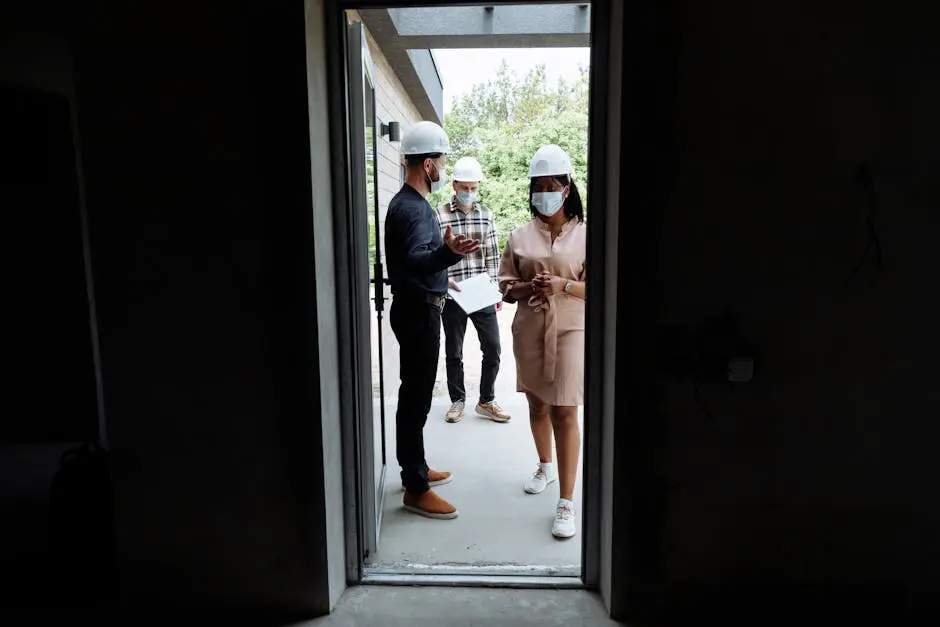
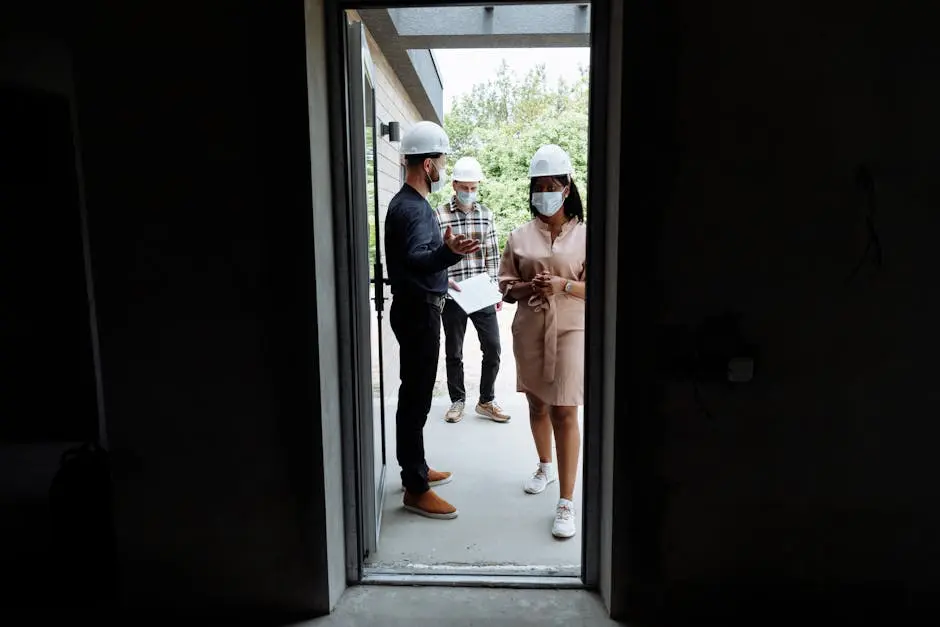
Testing for radon is a straightforward process that can either be done by professionals or DIY kits. There are short-term and long-term tests available, with the former providing quick results to evaluate if further action is needed. A professional inspector can offer more comprehensive testing to ensure accurate results. Many might wonder, why opt for professional testing when DIY kits are readily available and less expensive? The answer lies in the expertise and accuracy that professionals bring. They use specialized equipment and offer a thorough understanding of the testing environment, variables, and how to interpret results accurately. Professional testing reduces the margin of error substantially, giving homeowners peace of mind that they have a clear picture of their radon exposure levels.
Investing in either short-term or long-term testing depends on what you need. Short-term tests last from 2 to 90 days, while long-term versions extend beyond 90 days, offering a more comprehensive picture of your home’s average radon levels. For immediate feedback, short-term testing is invaluable; however, it is the long-term data that more accurately reflects your home’s air quality and radon levels. For those considering purchasing a home, a short-term test can give insight into potential issues, while ongoing testing in owned homes can ensure long-term safety. The continuity between short-term results and long-term exposure is key, as fluctuating levels can provide different snapshots of risk that need to be evaluated continuously. Thus, understanding the nuances of how radon tests work can result in more informed decisions, carving a path towards a safer home environment.
Reading and Understanding Radon Test Results
Once testing is complete, it’s important to understand the results. Radon levels are measured in picocuries per liter (pCi/L), and the EPA recommends action if levels are 4 pCi/L or higher. Understanding what these numbers mean for your home can help guide your next steps in mitigating radon risks. One might encounter different figures on reports and wonder their implications. For instance, while the EPA action level is 4 pCi/L, indoor radon levels below this threshold can still pose a risk, hence the push for regular testing and mitigation even at lower levels. This is not simply about reacting to high levels but comprehensively understanding what levels indicate constant vigilance must be part of any homeowner’s strategy.
When you receive your radon test results—and find that they’re higher than recommended—don’t panic, but do take action. Partnering with a trusted radon mitigation specialist can help you interpret how your figures align with national safety standards and what practical measures need to be taken. Having a professional walkthrough of test results can ensure you’re neither overreacting nor underestimating the effects. It transforms the process into one that’s both manageable and efficient, arming homeowners with confidence as they move forward. The insight gained from understanding these results is invaluable when it comes to making decisions that affect the health of your loved ones.
Mitigating Radon Levels in Your Home
If high levels of radon are detected, there are effective mitigation strategies available. These include active soil depressurization and improved ventilation systems. Hiring a qualified radon mitigation contractor ensures that these solutions are implemented safely and effectively. It’s natural to feel overwhelmed by the idea of radon mitigation, but knowing that there are established and successful methods to reduce indoor radon levels is comforting. Active soil depressurization, for instance, involves PVC piping connected to a fan to draw radon from beneath the home and vent it safely outside. This method has proven effective in significantly lowering radon levels and providing peace of mind for families.
Beyond structural adjustments, increasing your home’s ventilation further aids in reducing radon levels. Opening windows, using fans, and ensuring adequate airflow circulate outside air into the home, diluting the concentration of radon and emitting it outdoors. Professional advice on improving home ventilation can tailor strategies to your specific house layout and local weather conditions, maximizing efficacy. The reassurance that comes from knowing that your home is protected from radon is immense. Home is a haven meant to nurture, not to jeopardize health, and understanding mitigation plants this peace at the heart of your sanctuary, inviting safer and more fulfilling home living experiences.
Taking Action for a Healthier Home
Radon testing is a simple, yet essential step in the home inspection process that can have significant implications for your health and well-being. By understanding the risks and taking proactive measures, you can ensure a safer living environment for you and your family. As a prospective or current homeowner, it’s important to be informed and prioritize testing radon alongside other crucial aspects of your home inspection.