Navigating the world of building inspections can feel daunting, especially if you’re unfamiliar with the process. Fortunately, for residents of Poughkeepsie, NY, understanding these inspections doesn’t have to be a mystery. This guide will take you through what you need to know to get a clear picture of the building inspection process, why it’s important, and how it affects you and your home.
Building inspections are conducted to ensure that structures comply with local and state laws, safeguarding the health and safety of the community. These inspections are crucial for identifying potential issues that could pose risks to residents. Regular inspections also help maintain property values by ensuring that homes are up to code and safe for prospective buyers. In Poughkeepsie, building regulations are in place to protect residents from issues that could arise from improperly built or maintained structures. Such regulations encourage property owners to take responsibility for the integrity of their buildings, ultimately contributing to a safer and more reliable housing market.
Moreover, building inspections offer peace of mind. Knowing that your home has been thoroughly checked for any potential safety hazards can be reassuring. Inspectors look for structural damage, water damage, potential fire hazards, and other concerns. Addressing these issues proactively can prevent more severe problems down the line. Inspections can often reveal hidden issues, such as foundational cracks or subtle water damage, that are not immediately visible. Being aware of such problems early can save homeowners significant time and money in the long run, potentially avoiding costly repairs or renovations.
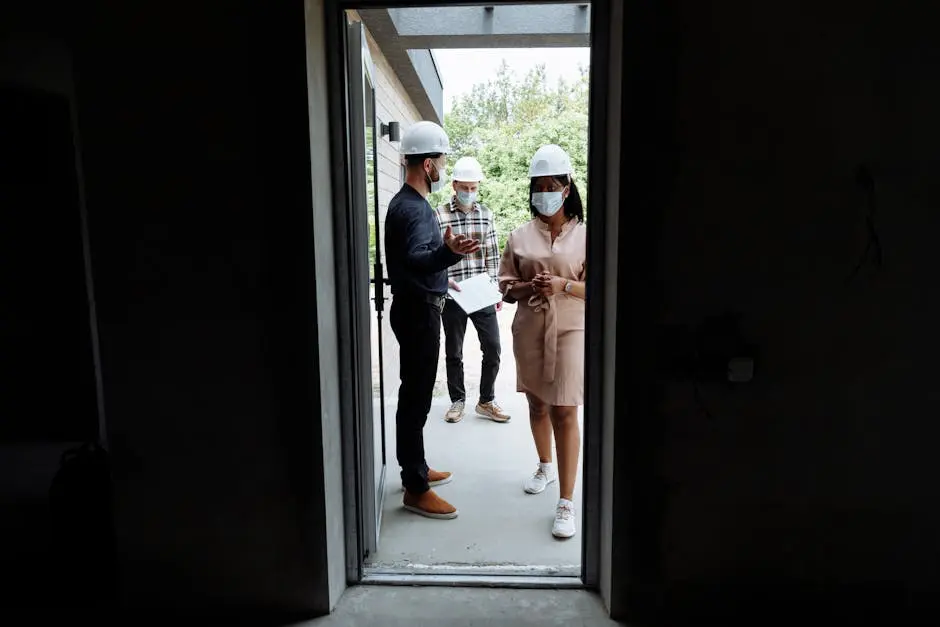
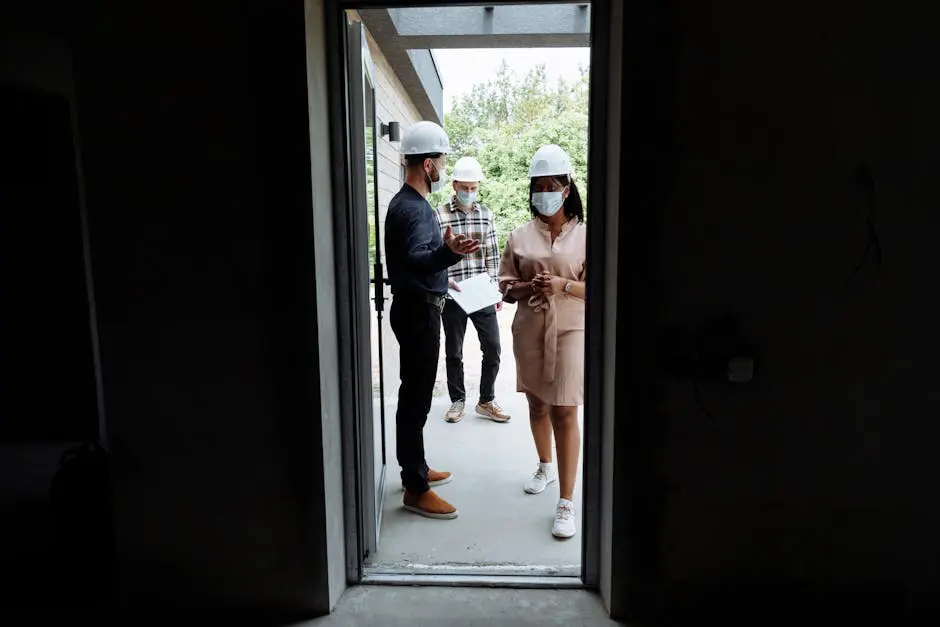
During a building inspection, an inspector will evaluate various aspects of the structure, including electrical systems, plumbing, roofing, and foundations. Knowing what will be checked can help homeowners prepare and address any potential concerns beforehand. Inspectors follow a detailed checklist, scrutinizing the home’s major systems and components. This typically involves visual examinations, functional tests of electrical systems, checks for proper ventilation, and assessments of plumbing. They document any deviations from standard specifications or building codes. Understandably, this can seem overwhelming to some homeowners, but remember, the primary goal is ensuring the safety and habitability of your residence. Each step during the inspection process is geared towards ensuring your home is functional and safe.
Homeowners can expect the inspector to take notes and photographs during the inspection. These are used to provide a comprehensive report detailing findings. This report is an invaluable resource for homeowners, offering clear documentation on what needs attention. While different inspectors may have slightly different methodologies, most will cover key elements like the condition of the roof, the state of the foundation, and any visible signs of pest infestations. It’s important to ask questions during this process, ensuring you understand the report fully. Remember, the aim is for both the inspector and homeowner to be on the same page regarding the home’s condition, promoting a sense of transparency and trust.
It’s also worth noting that inspectors may use specialty tools like moisture meters to detect hidden water issues or infrared cameras to highlight energy inefficiencies. Such technology helps identify areas that might require further investigation or repairs. For instance, energy inefficiencies may indicate inadequate insulation or air leaks—a common issue in many homes that can significantly affect heating and cooling costs. Infrared thermal imaging is particularly useful because it can point to areas needing improvement, such as poorly insulated walls or unexpected sources of heat loss. Having such advanced assessments not only aids in thorough inspections but also provides homeowners with actionable insights to enhance their homes’ efficiency and comfort.
Poughkeepsie homes, like any others, may have unique issues based on local climate and construction styles. Common findings often include outdated electrical systems or issues with insulation. Recognizing these can aid in swift resolution. For instance, older homes might not have sufficient power capacity for modern appliances, leading to frequent tripped breakers or overloaded circuits. This is not just inconvenient but can also pose a fire risk if left unresolved. By upgrading electrical systems, homeowners can enjoy more reliable power and improved safety standards.
Additionally, insulation problems, often traced to older properties, can cause significant energy inefficiencies, leading to increased heating and cooling bills. In a climate like Poughkeepsie’s, where temperature varies widely with the seasons, proper insulation is crucial. Homeowners may find that improving insulation not only helps in reducing energy costs but also improves indoor comfort levels. Updating or replacing insulation can address drafts and temperature inconsistencies, making a noticeable difference in maintaining a comfortable, stable climate within the home.
Another common issue for Poughkeepsie homes can be moisture-related problems. The area’s humidity can exacerbate issues like mold growth and wood rot, both of which can compromise the structural integrity of a home if not addressed. Proper ventilation and water management systems, such as sump pumps or French drains, can be effective solutions. Ensuring that gutters and downspouts are clean and functional, directing water away from the home, can also prevent moisture issues from developing into something more serious. By maintaining these areas, homeowners can prevent extensive damage and potential health hazards posed by mold and moisture.
Being prepared for a building inspection can make the process smoother. Homeowners should ensure all entry points to areas like the attic or basement are accessible and clear any obstructions around key inspection sites. It’s also wise to make sure that pets are secured and that the house is generally tidy, as clutter can obscure problems or hinder the inspector’s progress. Additionally, having documentation ready, such as repair logs or installation receipts, can be beneficial for answering any questions the inspector might have about specific upgrades or alterations.
A clear itinerary or list indicating recent renovations or updates can also be incredibly useful during an inspection. If you’ve made recent repairs or upgrades, be sure to point these out to the inspector. This can help highlight areas that might not require as much scrutiny, allowing the inspector to focus on other essential aspects more efficiently. Transparency with the inspector can foster a more collaborative atmosphere, where both parties can ensure the inspection is thorough and productive. Acknowledging and discussing past repairs or ongoing issues can significantly streamline this process.
Moreover, homeowners should familiarize themselves with the inspection checklist typically used by professionals. Understanding what areas will be inspected allows residents to perform their own preliminary checks, catching any glaring issues before the official inspection. This proactive approach can reduce the number of surprises found during the actual inspection, minimizing stress and potential costs associated with sudden discoveries. Such preparation not only ensures that your home is evaluation-ready, but also boosts your confidence in the condition of your property, making the inspection a smoother, more beneficial experience.
If an inspection reveals problems, addressing them promptly is essential. Residents can seek guidance on whether repairs should be DIY or if professional contractors are needed to meet code requirements. Simple repairs like fixing leaks or replacing broken fixtures might be manageable on your own, provided you have the right skills and tools. However, more complex issues, such as significant plumbing repairs or structural concerns, often require professional intervention. It’s crucial to weigh the cost and potential risks associated with DIY versus hiring a contractor, ensuring that all repairs and improvements meet the necessary building codes and standards.
Opting for professional assistance often provides a higher guarantee of terms of quality, as licensed contractors have the expertise and experience to handle complex repairs efficiently. They can also ensure compliance with local codes, reducing the likelihood of problems cropping up during any future inspections. For more substantial repairs or upgrades, obtaining multiple quotes can help compare pricing and services offered by various professionals. This due diligence ensures that you receive fair pricing for quality work, ultimately safeguarding your investment in your home.
Local government plays a crucial role in building inspections by setting the standards and regulations that ensure our community’s safety. Understanding how these regulations are structured can provide further insights into the importance of compliance. In Poughkeepsie, these standards are developed with both state and regional guidelines in mind, reflecting a comprehensive approach to urban planning and public safety. Regular workshops and community meetings are also held to educate residents on updates or changes to building codes, ensuring homeowners are kept informed about the latest requirements and developments applicable to their properties.
Moreover, the local government’s active role in inspections serves as a means of accountability, ensuring that new construction and renovations adhere to community standards. This oversight extends beyond mere regulatory compliance, fostering a culture of pride and care in property maintenance throughout the city. Additionally, they offer resources and support for homeowners, guiding them through the nuances of inspections and helping them understand the potential need for upgrades or modifications.
Building inspections, though often viewed as a hurdle, are vital in maintaining the safety and integrity of properties in Poughkeepsie. By understanding the process and knowing what to expect, residents can approach inspections with confidence, ensuring their homes not only comply with local regulations but also provide a safe and secure environment. Remember, preparation and knowledge are your best tools in demystifying building inspections. For more on keeping your home safe and inspection-ready, visit our homepage.