Embarking on the journey of buying a home can be both exciting and overwhelming. One of the critical steps in this process is the home inspection. Whether you’re a first-time homebuyer or just looking to understand more about this essential step, this guide will help you navigate the home inspection process with ease and confidence.
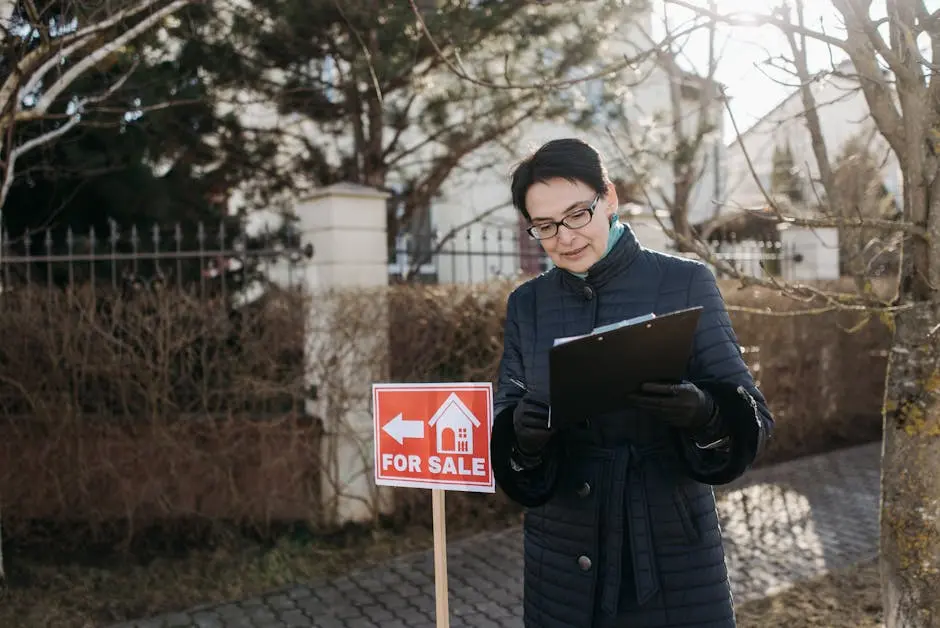
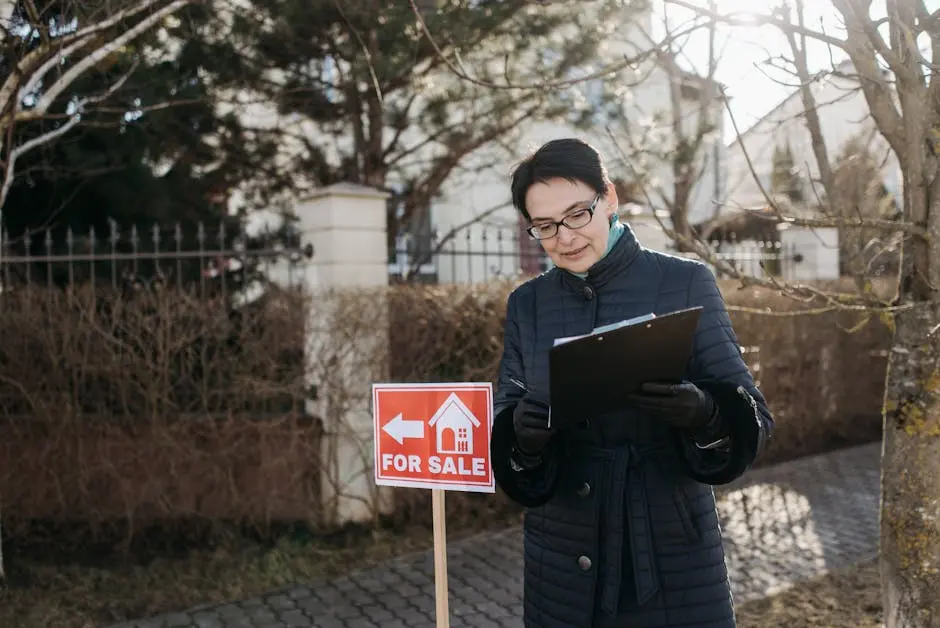
A home inspection is a thorough examination of a property’s condition, typically performed by a qualified inspector. It’s an essential part of the home buying process that helps identify any potential issues or repairs needed before finalizing the purchase.
During a home inspection , the inspector carefully evaluates many elements of the home. This includes everything from the roof and attic to the foundation and basement. A home inspector’s goal is not only to highlight the visible and apparent flaws in the home but also to help buyers anticipate future maintenance and repair needs.
It’s also essential to understand that a home inspection is distinct from a home appraisal. While an appraisal determines the fair market value of a property, an inspection focuses solely on the condition of the home and its systems. Thus, while both are critical components of the home-buying process, they serve very different purposes.
Home inspections provide valuable insights into the property’s current state, helping buyers avoid unexpected costs after purchase. They can uncover hidden problems like structural issues, outdated electrical systems, and more, giving buyers leverage to negotiate repairs or price reductions.
One of the key reasons to conduct a home inspection is to safeguard your investment. By identifying defects and potential issues, buyers can make informed decisions and consider negotiating repair requests with the seller. This process allows buyers to either have the issues fixed before the sale is finalized or receive a reduced price that reflects the cost of future repairs.
Additionally, home inspections can offer peace of mind by ensuring that there are no major safety concerns, such as issues with the home’s electrical system or foundation. This assurance can be invaluable for those purchasing an older home, where maintenance cost concerns might be more prevalent, and even newer homes, where construction defects might not yet be visible.
Proper preparation can make the inspection process smoother and less stressful. Knowing what to expect and having all necessary documentation ready can help you get the most out of the inspection. Key steps include scheduling the inspection, preparing questions, and notifying the seller.
To begin with, it is important to hire a licensed and experienced inspector who will provide an unbiased assessment of the property. Before the inspection day, it is beneficial to familiarize oneself with the common areas inspected and potentially discuss any specific concerns with the inspector.
Be proactive by reviewing the American Society of Home Inspectors (ASHI) standards to understand what a general home inspection covers. Additionally, gathering relevant documents such as past repair records and utility bills can help provide a comprehensive view of the home’s history and operational costs.
Inspectors examine various aspects of a home, including the roof, foundation, plumbing, electrical systems, and more. A detailed inspection report will highlight any issues found and provide recommendations for repairs or further evaluations.
In a typical home inspection, inspectors will assess the roof’s condition and check for missing or damaged shingles, leaks, and other potential issues. The plumbing system also gets a thorough inspection to ensure there are no leaks or outdated piping that could lead to costly repairs down the line.
Electrical inspections focus on the safety and function of the home’s wiring, outlets, and breakers, while the HVAC system is checked for its efficiency in heating and cooling the home effectively. Foundation and structural integrity checks are critical, as they determine the sturdiness and safety of the building, often influencing future repair costs and resale value.
The inspection report is a comprehensive document detailing the inspector’s findings. Learning how to read and interpret this report is crucial for making informed decisions. Key areas of focus include understanding the severity of issues and prioritizing necessary repairs.
Typically, inspection reports are arranged by category, with photographs and clear descriptions of each issue noted during the inspection. It is crucial to pay attention to high-priority repairs that may affect the home’s safety or future value.
It may be beneficial to consult with a trusted contractor or builder for in-depth explanations of complex issues. Their expert insight can provide valuable guidance in determining whether repairs should be mandatory before purchase or considered optional and factored into the negotiation process. Understanding nuances in the report can significantly help in assessing the property’s true condition.
After receiving the inspection report, you may need to negotiate repairs with the seller. It’s essential to know which repairs to request, how to approach negotiations effectively, and what your options are if the seller refuses.
When negotiating repairs, prioritize issues that impact safety, functionality, and future costs. Issues such as faulty wiring, significant leaks, or structural problems should take precedence. Be prepared to present the inspection’s findings as documented proof when discussing necessary repairs with the seller.
In some cases, it might be appropriate to request a credit towards the purchase price, allowing you to address the repairs as soon as you own the house. Alternatively, some buyers prefer to ask the seller to complete the repairs before closing. It’s pivotal to remain flexible yet firm with your requests, ensuring that they are reasonable, backed by the inspection, and reflective of market norms.
The home inspection process is a crucial step in ensuring your potential new home is safe and sound. By understanding each part of the inspection, preparing thoroughly, and knowing how to interpret the results, you can make an informed decision that brings you peace of mind. Remember, a thorough home inspection is not just about identifying current issues but also about understanding the future needs of your new home. If you’re ready to learn more about how we can assist you during this important step, visit our homepage for more resources and support.