Termites may be small, but the damage they cause can be substantial. Knowing when to schedule a termite inspection can save your home from costly repairs. In this guide, we’ll explore the tell-tale signs of a termite problem and discuss the best times to call in the experts.
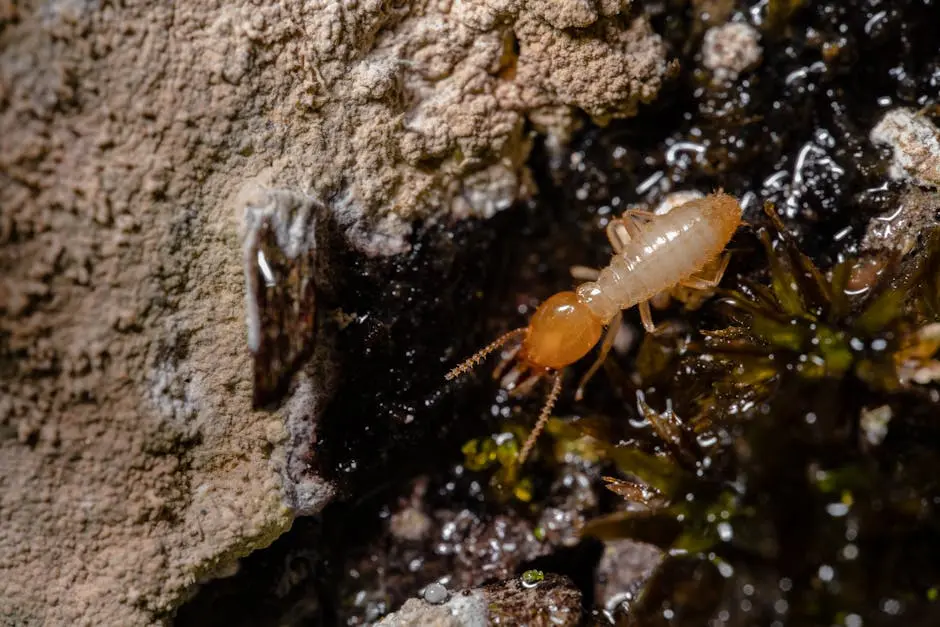
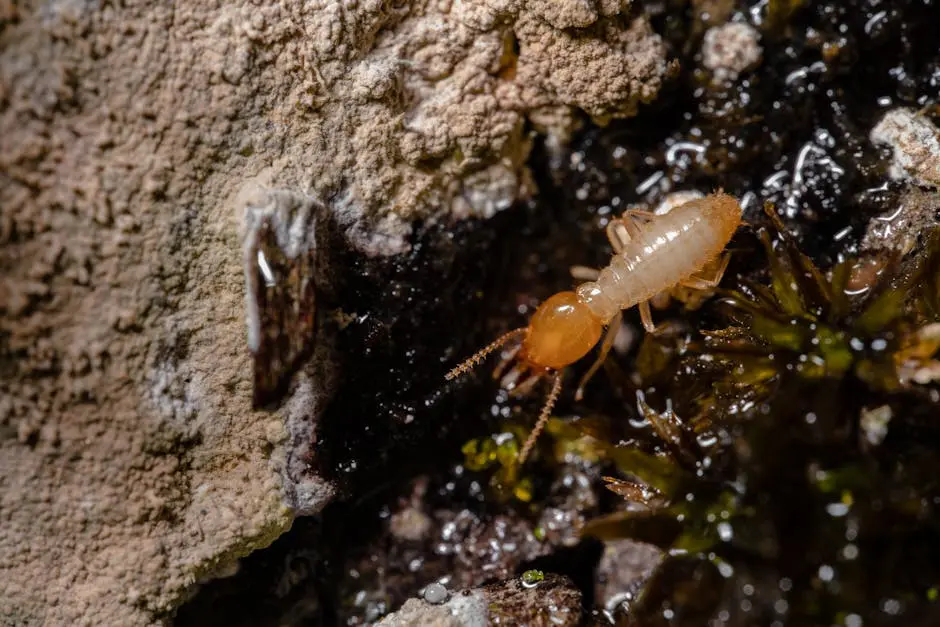
Termites are tiny insects that feed on wood and can cause extensive damage to homes and buildings. Understanding the different types of termites and their destructive habits can help homeowners recognize potential infestations.
There are several types of termites, each posing unique threats. The most common species include subterranean, drywood, and dampwood termites. Subterranean termites live in the soil and enter homes by constructing mud tubes that protect them from exposure to dry air. These mud tubes are one of the first signs of an infestation that a homeowner may notice. Drywood termites, on the other hand, do not require contact with soil and can infest furniture, small wooden objects, or buildings. Dampwood termites prefer moist wood, and they’re usually found in homes with water leaks. Each type has specific behaviors that make them challenging to detect, emphasizing the necessity of understanding these creatures to protect your home effectively.
The lifecycle of a termite can last for several years, with some species living up to 20 years under the right conditions. This longevity allows colonies to grow significantly and consume large sections of wood in silence, often leaving only the outer layers intact. This unique method of feeding can lead to structural concerns, especially in older homes. Furthermore, termites play a critical ecological role by breaking down cellulose in wood, thus enriching soil nutrients. However, this same activity inside a wooden structure can be disastrous, causing potentially irreparable harm if left unchecked.
Discover the most common indicators of a termite infestation, such as mud tubes, discarded wings, and hollow-sounding wood. Being able to identify these signs early on is crucial to preventing severe damage.
Mud tubes are frequently found on walls, floors, or ceilings and are a major warning sign of subterranean termites, as they rely on these structures for moisture. Meanwhile, you might notice discarded wings near entry points like windows or doors—this occurs when winged termites, or swarmers, shed their wings after mating and establishing new colonies. Another telling signal is when wood around your home sounds hollow when tapped. This indicates internal damage since termites typically consume the interior portions of wood beams and leave only a thin shell behind, making detection difficult without professional help.
You might also observe bubbly or uneven paint surfaces, as termites introduce moisture into the wood they infest, subsequently causing paint to blister. Additionally, tiny pinpoint holes in drywall or wooden surfaces could signify termite exit holes. Floors that feel more springy or saggy than usual might suggest severe structural damage beneath the surface. Early detection of these signs is imperative; once a colony is fully established, it can lead to significant destruction, sometimes requiring costly and extensive restoration work.
Learn why certain seasons might increase the chances of a termite infestation and how to time your inspections properly. Understanding the activity patterns of termites can make a big difference in when you decide to schedule an inspection.
Spring is a critical time for termite activity and infestations, particularly because this is when termites tend to swarm. A termite swarm indicates a nearby thriving colony seeking new homes. During this period, it becomes crucial to be vigilant about potential infestations and consider proactive inspections if your home is prone to termites or located in a high-risk area. Besides, warm temperatures and higher humidity levels in summer provide ideal conditions for these pests to thrive, so scheduling a mid-summer inspection might also be advantageous.
It’s also essential to keep in mind that termite activity can differ based on geographic location. In warmer regions, termites may remain active all year long, with inspections needed at different intervals. In contrast, homeowners in cooler areas might find that termites are less active during the winter months, potentially offering a good timeframe for inspections before their spring resurgence. Addressing these seasonal differences helps in designing an inspection schedule that keeps your home termite-free throughout the year.
Experts suggest performing termite inspections at regular intervals to ensure there’s no hidden damage. Explore recommendations for inspection frequency based on geography, climate, and the age of your home.
Homeowners are generally recommended to have a professional termite inspection done once a year. However, if your home is in a termite-prone area or has a history of infestations, more frequent inspections might be necessary. For instance, homes in the southern United States, where warmer temperatures and high humidity favor termite activity, may benefit from bi-annual checks. Conversely, in cooler, less humid climates, annual inspections might suffice.
The age and construction style of your home can also play a role in determining how frequently inspections should be scheduled. Older homes with untreated wooden foundations or those built in areas with significant wood-to-soil contact might need more regular evaluations. Regular inspections not only help in early detection and management but also ensure peace of mind by safeguarding one of your most significant investments against unnecessary and preventable damage.
Finding a certified pest control professional is vital for a thorough inspection. Discover tips for choosing a reputable company and questions to ask before hiring to ensure you’re getting the best service possible.
When seeking out a pest control specialist, start by ensuring they have the appropriate certifications and licensing specific to termite inspection and extermination. Ask potential providers about their experience with termite control and request references from previous clients to better understand their reliability and effectiveness. Make sure to inquire about their inspection process, what it covers, and how they determine next steps should they find evidence of an infestation.
Choosing a local company can be beneficial; they are often more familiar with the regional termite challenges and have a better understanding of the specific techniques needed in that area. Be sure to solicit multiple quotes before making a decision—while cost is important, remember that the cheapest option is not always the best one. Prioritize thoroughness and the company’s reputation over affordability, as termite treatment can have long-term impacts on your home. For more details on why a certified professional is essential, visit our professional termite services page.
Keeping an eye out for these signs will help you protect your home from termites before they cause serious damage. Regular inspections and timely interventions can save you from future headaches and expenses. Don’t hesitate to schedule an inspection if you suspect there’s even the slightest hint of these wood-eating pests in your vicinity.